Installation

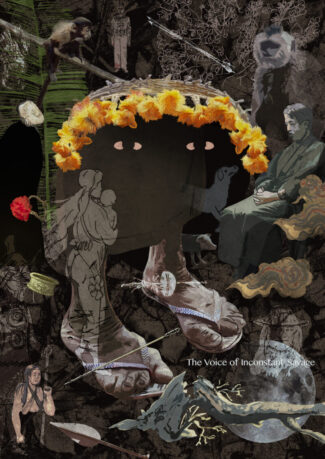
The Voice of Inconstant Savage
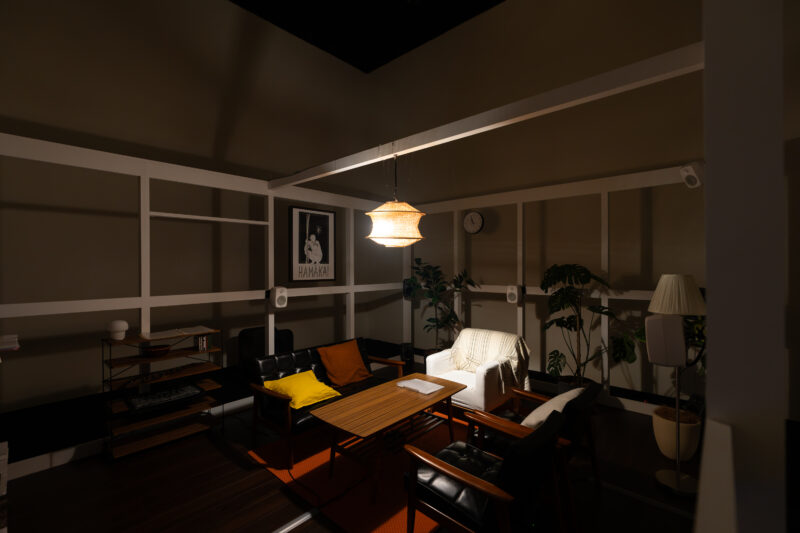
Commissioned for the Engawa – Japanese Contemporary Art Season programme organized by Calouste Gulbenkian Museum's Modern Art Center, The Voice of Inconstant Savage is an immersive installation that superimposes a prayer inspired by the story of a 16th-century Portuguese missionary, a chant from a Kakure-Kirishitan (hidden Christians) prayer – a religion rooted in Nagasaki Prefecture –, a chant from the Karawara spirits of the Awá indigenous people – who live in the Amazon rainforest – and a chorus of Western Gregorian chant. Morinaga questions the position of the aesthetics of inconstancy in relation to the discourse of the “savage” that modern society confronts.

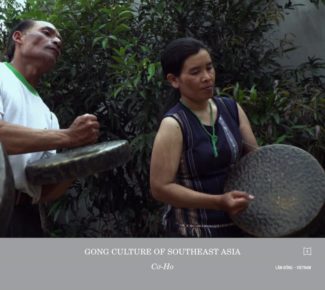
Field recordings

Sombat Simla: Master Of Bamboo Mouth Organ
Simla is known in Thailand as one of the greatest living players of the khene, the ancient bamboo mouth organ particularly associated with Laos but found throughout East and Southeast Asia. His virtuosic and endlessly inventive renditions of traditional and popular songs have earned him the title ‘the god of khene’, and he is known for his innovative techniques and ability to mimic other instruments and non-musical sound, including, as a writer for the Bangkok Post describes, ‘the sound of a train journey, complete with traffic crossings and the call of barbecue chicken vendors’.

Archival sounds

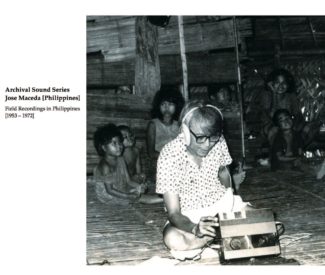
『Archival Sound Series : Jose Maceda』
武満徹(日本)やタンドゥン(中国)と並び、20世紀のアジアを代表する作曲家であるフィリピンのホセ・マセダ(1917-2004)による半世紀前のフィールド・レコーディング集。 現代音楽の作曲家であるホセは、東南アジアの音楽文化を体系化した一人として民族音楽学の研究者としても多大な業績を残した人物である。本作品はマセダが初めてフィールドワークを行った1953年からの約20年間を振り返り、フィリピンの少数民族による音楽文化を包括する音源集となっている。地理学的な国境線だけでは語ることのできないフィリピンの音楽文化を、ホセの触る録音機からきこえてくる音・音楽・ノイズを我々の耳へ近づけてくれる作品となっている。

Cinema

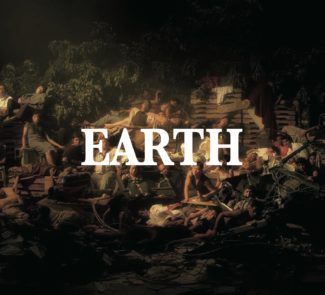
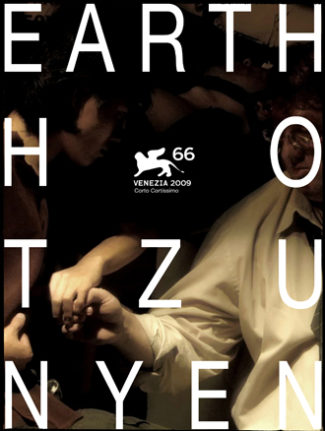
EARTH
“Earth” is a film that consists of three long slow motion shots. It depicts a landscape after a catastrophe – human bodies are mixed here with coils of wire, fragments of pallets and cardboard boxes, as well as dead fish and chaotically flashing light bulbs. The work bears a marked reference to European painting, especially French Romantic painting. The film has borrowed inspiration from Theodore Gericault’s “Raft of the Medusa” from 1819, one of the most significant paintings in France after the Revolution. Also noticeable are references to pieces by Eugene Delacroix (“The Massacre at Chios”, 1824) and Caravaggio (“The Incredulity of Saint Thomas”, 1601-1602 and “David with the Head of Goliath”, ca 1599). The artist’s fascination with old painting – highlighted by the strong light of fluorescent tubes that imitate the chiaroscuro effect of the Baroque paintings – was juxtaposed in the film with the contemporary electronic soundtrack of Black to Comm. Played in slow motion, the music seems hardly recognisable combining two temporally and geographically distant motifs.